Views: 545
Süstemaatiline kuuluvus (APG IV)
Taimed (Plantae)
└── Soontaimed (Tracheophyta)
└── Katteseemnetaimed (Angiospermae)
└── Päriskaheidulehelised (Eudicotyledonae)
└── Astrilaadsed (Asterales)
└── Korvõielised (Asteraceae)
└── Raudrohi (Achillea)
└── Harilik raudrohi (Achillea millefolium L.) [1]
Botaaniline kirjeldus
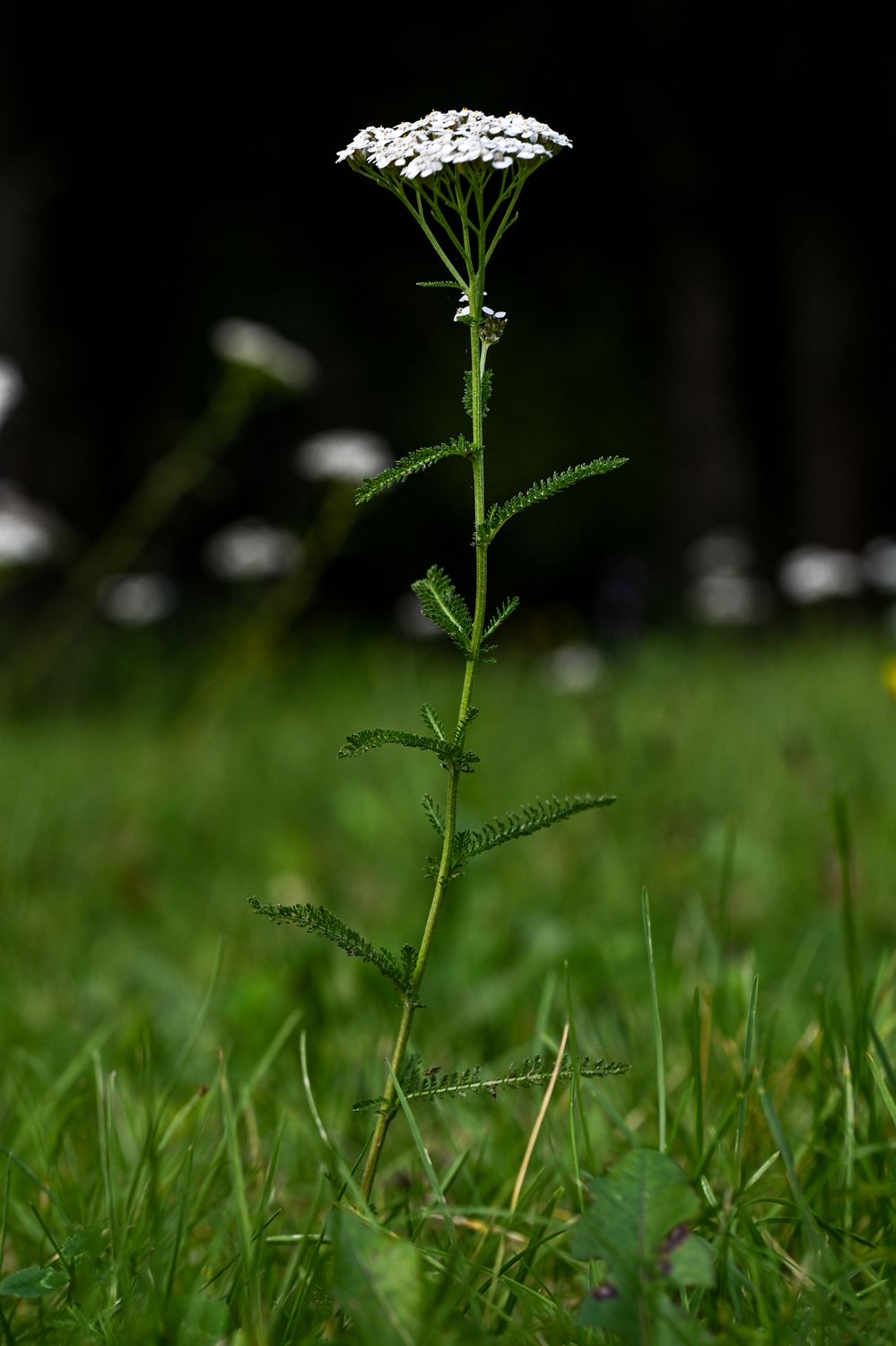
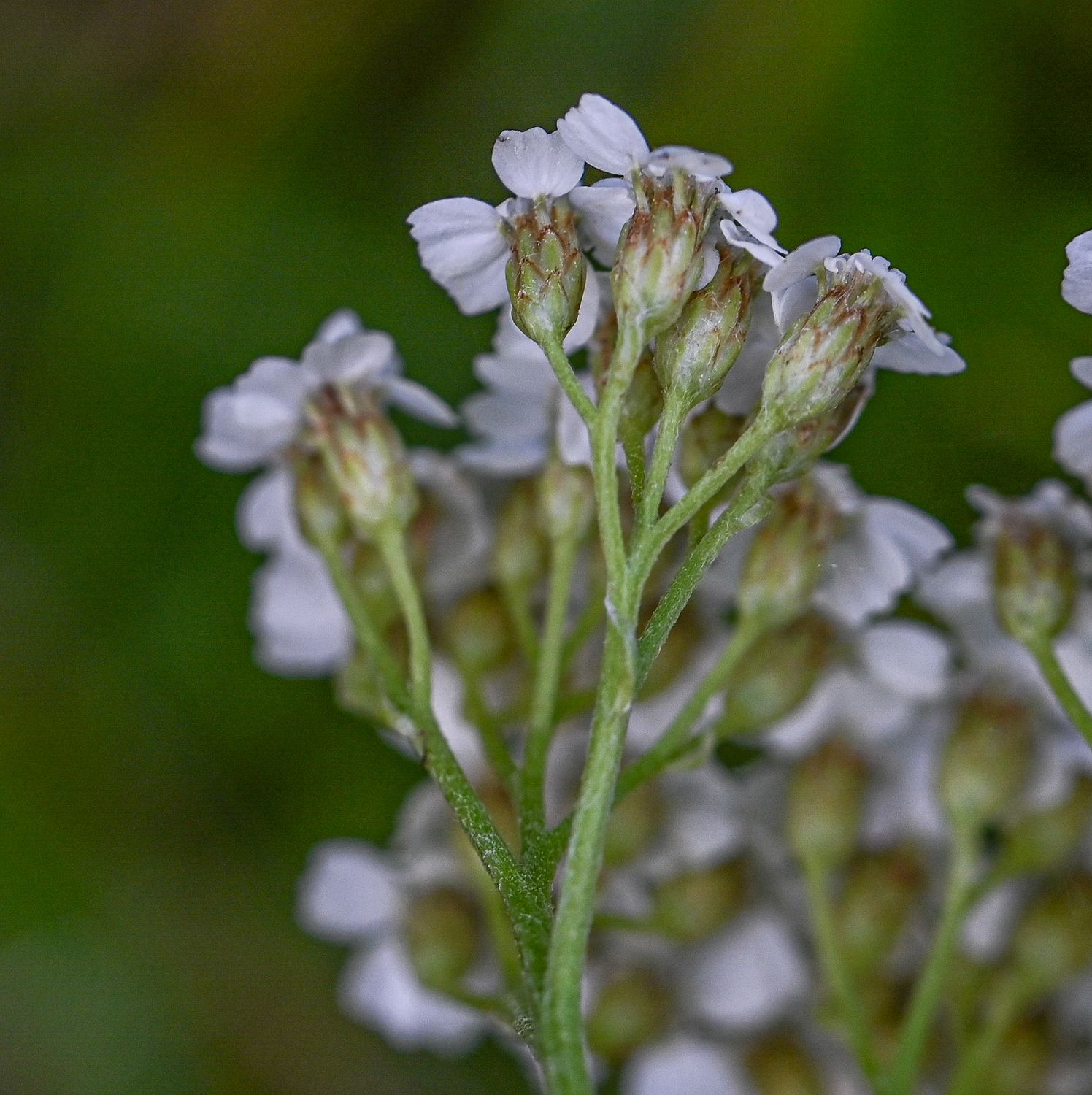
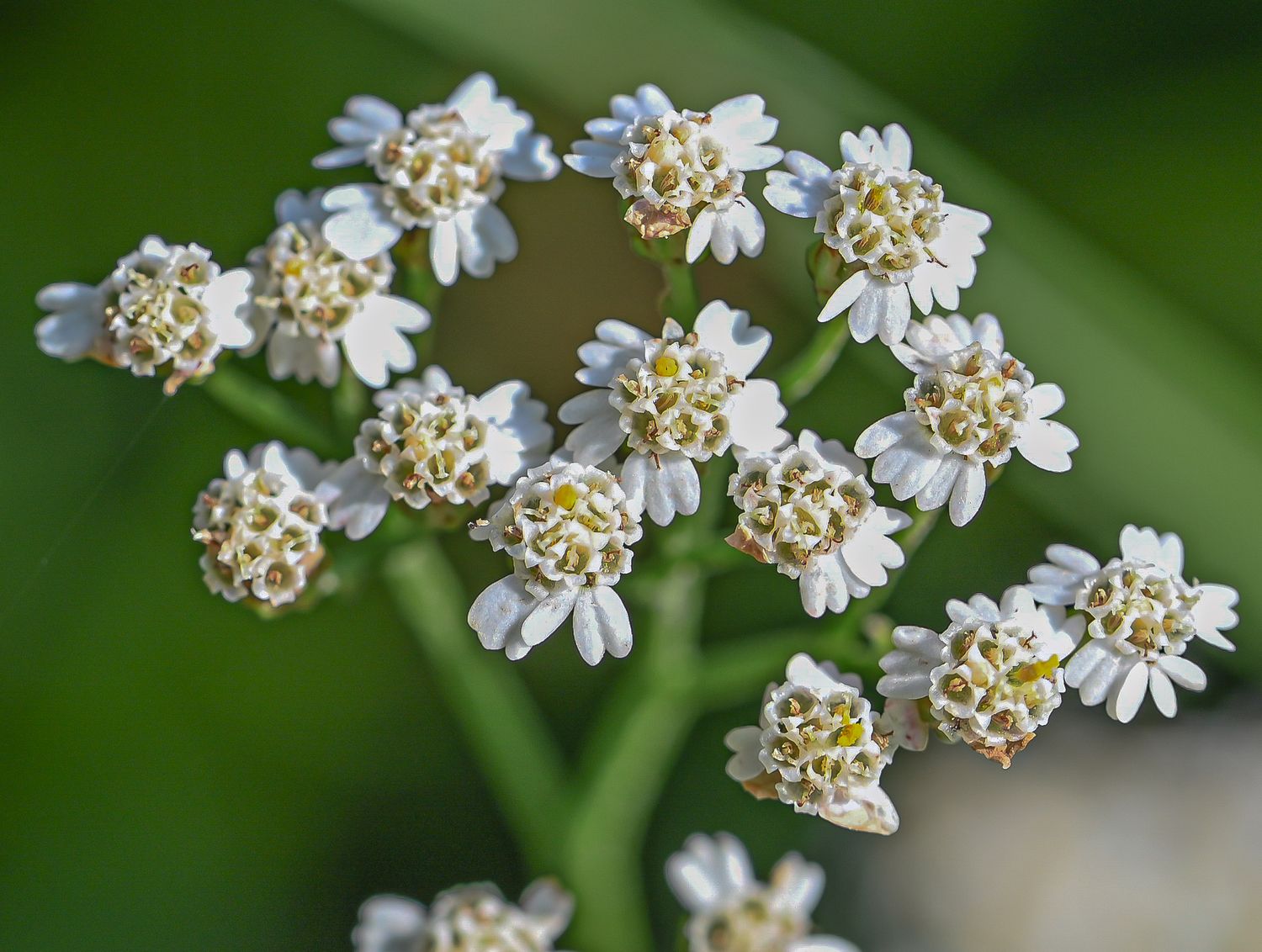
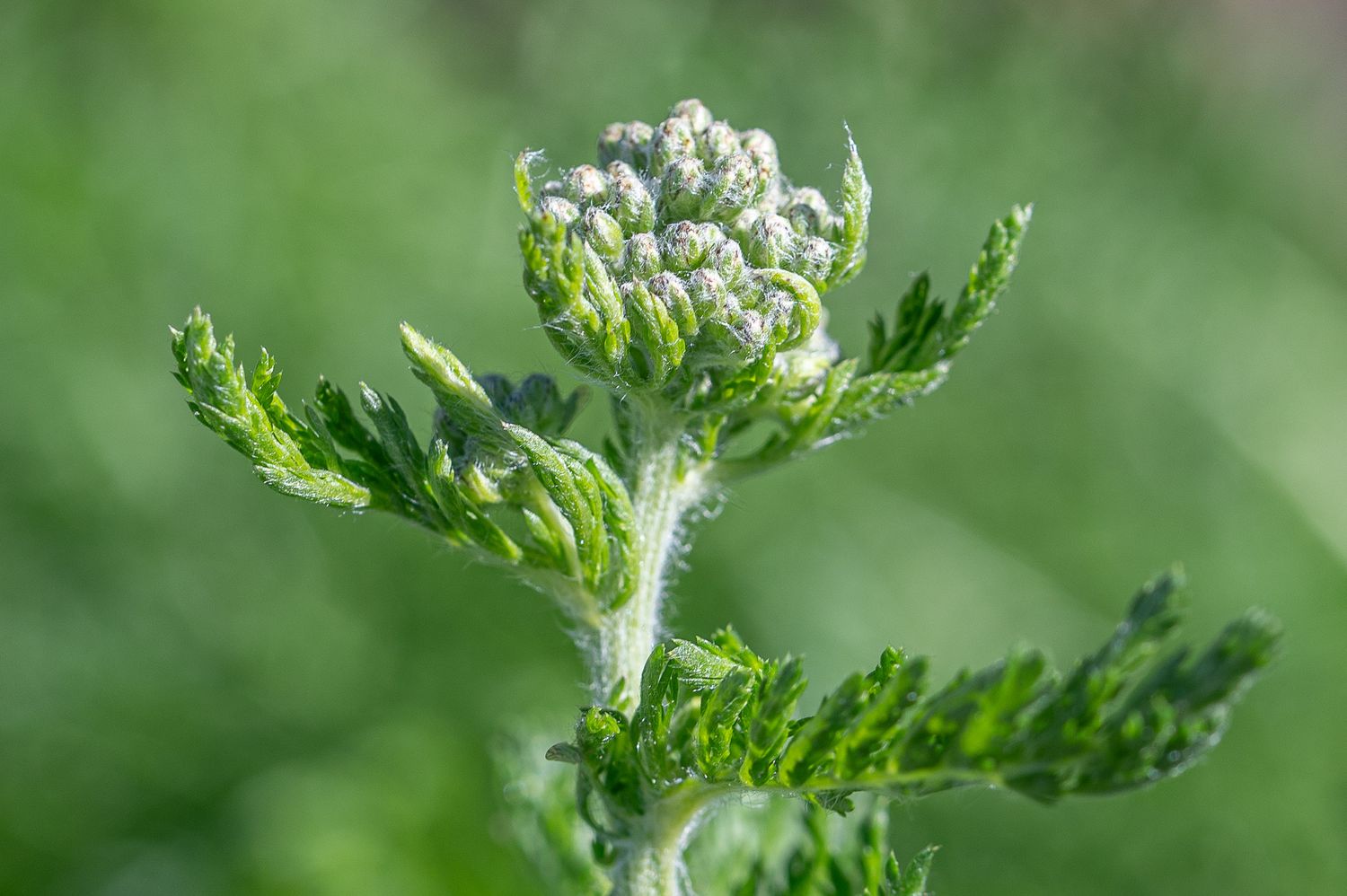
Raudrohi on korvõieliste sugukonda ja perekonda raudrohi kuuluv mitmeaastane ühekojaline suvehaljas rohttaim, mis on tuntud oma tugeva iseloomuliku lõhna poolest. See sinakasrohelise ilmega taim kasvab 20 kuni 70 cm kõrguseks. Taime maapealne vars on püstine või aluselt tõusev, tavaliselt lihtne, kuid mõnikord ülemises osas harunenud, hästi lehistunud ning hallikasrohelise kuni lillakaspunase värvusega. Lehed on süstjad või pikliklineaalsed lihtlehed, mis on sügavalt kaheli- või kolmelisulgjalt lõhestunud süstjateks hõlmadeks, tihti hõredalt karvased. Raudrohu õied moodustavad 4–5 mm läbimõõduga korvõisikud, mille serval võib olla 3 kuni 10 valget, roosat, punast või lillakat keelõit. Putkõisi on õisikus 14–20, need on määrdunudvalged või kollakad. Õitseb peamiselt suve teisest poolest kuni sügiseni. Vili on piklik, umbes 2 mm pikkune hallikas- või tumepruun seemnis, millel on kitsas heledatiivaline ääris. Seemned valmivad septembris ja oktoobris ning levivad tuule abil.
Maa-alune osa koosneb tugevast, roomavast risoomist, mis on kollakas ja toodab rohkesti maasiseseid võsundeid. Raudrohi paljuneb nii seemnete kui ka vegetatiivselt maa-aluste võsundite abil. [2,3]
Levila
Hariliku raudrohu looduslik levila Gröönimaa ning subarktiline ja parasvöötme Euraasia; liik on laialdaselt introdutseeritud ning naturaliseerunud mitmel pool maailmas. [1] Eestis on raudrohi väga sage, eriti inimmõjuga paikades nagu teeservad, karjamaad, niidud ja põllupeenrad. Harilik raudrohi eelistab valgusrikkaid ja suhteliselt kuivi kasvukohti. [2,4]
Kasvatamine
Paljundamine
Harilikku raudrohtu paljundatakse nii seemnetega kui ka vegetatiivselt, puhmiku või risoomi jagamine teel. Vegetatiivne paljundus on kiire ning annab ühtlasema istutusmaterjali; samas levib liik risoomide abil hästi ka iseseisvalt, mistõttu kultuuris või peenras on mõistlik levikut piirata. Katseliselt on näidatud, et isegi risoomifragmentidest võib kujuneda elujõuline uus taim. [5]
Seemnete idanemine
Seemned on väikesed ning idanemine on tugevalt keskkonnatingimustest sõltuv. Idanemiskatses on näidatud väga kõrge idanemine temperatuuride vaheldumisel 15-25 °C. Seemned vajavad idanemiseks valgust. Samas on püsival 15 °C või 25 °C temperatuuril idanemine oluliselt madalam. [6]
Kasvutingimused
Harilik raudrohi sobib kasvatamiseks päikeselistel või kergelt poolvarjulistel kasvukohtadel ning eelistab hea drenaažiga, mõõdukalt kuni vähese toitainesisaldusega muldi. Taim talub hästi põuda ja madalat mullaviljakust ning ei sobi liigniiskesse ega raskesse savimulda. Veerežiim mõjutab lisaks kasvule ka lenduvate ühendite kujunemist: niisutustaseme muutudes võivad muutuda nii biomassi näitajad kui ka lenduvate komponentide profiil. [7]
Allelopaatia ja sümbioos
Raudrohi moodustab arbuskulaarset mükoriisat. [8] Raudrohu eeterlik õli pärsib laboritingimustes teiste liikide seemnete idanemist ja idu arengut. [9]
Varumine ja säilitamine
Droogiks varutakse õisi ja ürti (Millefolii flos, Millefolii herba), mis kogutakse õitsemise ajal 15 cm ladvaosadega ja kuivatatakse 30–40 °C juures. Korje viiakse läbi kuiva ilmaga pärast hommikuse kaste kuivamist. Varumisel eemaldatakse puitunud varreosad ning kahjustatud või haigustunnustega taimed. Looduslikest populatsioonidest korjamisel tuleb järgida säästva korje põhimõtteid, et vältida populatsioonide kahjustamist. Kuivatamine toimub varjulises ja hästi ventileeritud kohas temperatuuril kuni 40 °C; taimematerjal laotatakse õhukese kihina või seotakse väikesteks kimpudeks. [4,10] Kuivatamine loetakse lõppenuks, kui varred murduvad kergesti ning droog on hallitusevaba ja säilitab iseloomuliku lõhna. [4] Kuivatatud ürti säilitatakse kuivas, jahedas ja valguse eest kaitstud kohas, tihedalt suletud pakendis; sobivates tingimustes säilib droogi kvaliteet tavapraktikas kuni 1–2 aastat. [4,10]
Keemiline koostis
Peamised toimeained
Tanniinid: ~3–4%. Sisalduvad kogu taimes. Tanniinidel on adstringeeriv, haavade paranemist soodustav ja antimikroobne toime.
Eeterlik õli: ~0,3–1,4%; kamper, 1,8-tsineool, tujoon, borneool, hamasuleen. Eeterlikku õli leidub õites ja lehtedes. Eeterlikud õlid on antimikroobse ja põletikuvastase toimega.
Seskviterpeenlaktoonid: ahillitsiin (proasuleen), millefoliid, proasuleeni derivaadid, neid leidub peamiselt õites. Põletikuvastase, tsütotoksilise ja antimikroobse toimega.
Flavonoidid: apigeniin, luteoliin, rutiin, kvertsetiin, kamferool. Leidub lehtedes ja õites. Antioksüdantse, põletikuvastase, spasmolüütilise ja vasoprotektiivse toimega.
Fenoolhapped: kohvhape, klorogeenhape, salitsüülhape. Leidub lehtedes, vartes, õites. Antioksüdantse, hepatoprotektiivse, antimikroobse toimega.
Kumariinid: umbelliferoon, skopoletiin. Leidub vartes ja õites. Antikoagulantne ja põletikuvastane toime.
Alkaloidid: ahilles, stahüdriin, betanotsiin.
Muud rühmad: alkaanid (nt trikosaan), polüatsetüleenid, saponiinid, steroolid (nt β-sitosterool), suhkrud (nt glükoos, mannitool, sahharoos). [11,12]
Toime ja kasutamine
Raudrohtu kasutatakse välispidiselt põletiku- ja antiseptilise toime tõttu haavade, nahaärrituse ja infektsioonide korral. Seespidiselt kasutatakse seedimist korrastava ja spasmolüütilise toime tõttu seedemahlade eritumise suurendamiseks, söögiisu parandamiseks ning soolekrampide, -gaaside ja menstruatsioonivaevuste korral. Lõõgastab sapi- ja kuseteede silelihaseid. Aitab hingamisteede põletike, gastriidi, mao- ja kaksteistsõrmiku haavandite korral. Rahvameditsiinis hinnatakse teda kui head köhorohtu. Raseduse ajal vastunäidistatud, kuna lehtedes ja juurtes jälgedena sisalduvad alkaloidid stahüdriin ja betonitsiin, võivad tõsta emaka toonust. Pikaaegsel suuretes annustes kasutamise korral võib põhjustada vere hüübimise suurenemist ja trombe. [4,11,12]
Kasutatud kirjandus
[1] Royal Botanic Gardens, Kew. (2026). Achillea millefolium L. Plants of the World Online. Vaadatud 16.01.2026: httphttps://powo.science.kew.org/taxon/urn:lsid:ipni.org:names:2294-2s://powo.science.kew.org/taxon/urn:lsid:ipni.org:names:7447-2
[2] Krall, H., Kukk, T., Kull, T., Kuusk, V., Leht, M., Oja, T., Reier, Ü., Sepp, S., Zingel, H., & Tuulik, T. (2010). Eesti taimede määraja. Eesti Loodusfoto.
[3] Kukk, T. (2024). Eesti taimede kukeaabits (10., täiendatud trükk). Varrak.
[4] Raal, A. (2010). Maailma ravimtaimede entsüklopeedia. Eesti Entsüklopeediakirjastus.
[5] Bourdôt, G. W., Butler, J. H. B., & Hurrell, G. A. (1984). Regeneration of yarrow (Achillea millefolium L.) from rhizome fragments. Weed Research, 24(6), 421–429. https://doi.org/10.1111/j.1365-3180.1984.tb00605.x
[6] Robocker, W. C. (1977). Germination of seeds of common yarrow (Achillea millefolium). Weed Science, 25(5), 456–459. https://doi.org/10.1017/S0043174500033853
[7] Alvarenga, I. C. A., Lopes, O. D., Pacheco, F. V., de Souza, K. B., & de Castro, E. M. (2018). Growth and production of volatile compounds of yarrow (Achillea millefolium L.) under different irrigation depths. Anais da Academia Brasileira de Ciências, 90(4), 3895–3908. https://doi.org/10.1590/0001-3765201820180092
[8] Allison, V. J. (2002). Nutrients, arbuscular mycorrhizas and competition interact to influence seed production and germination success in Achillea millefolium. Functional Ecology, 16, 742–749. https://doi.org/10.1046/j.1365-2435.2002.00675.x
[9] Verma, R. S., Padalia, R. C., Chauhan, A., & Goswami, P. (2017). Chemical composition and allelopathic, antibacterial and antifungal activity of Achillea millefolium essential oil. Industrial Crops and Products, 104, 144–155. https://doi.org/10.1016/j.indcrop.2017.04.046
[10] World Health Organization. (2003). WHO guidelines on good agricultural and collection practices (GACP) for medicinal plants. WHO.
[11] Prisa, D., & Jamal, A. (2025). Achillea millefolium L.: A comprehensive review of its phytochemistry and pharmacological properties. Advances in Horticultural Science, 39(3), 245–257. https://www.jstor.org/stable/27423634 [12] Tripon, R., Huiban, F., Sokolovič, M., Bojan, L., Camen, D., & Tulcan, C. (2024). Phytochemical, antioxidant and antibacterial profile of Achillea millefolium L.: A literature review. Journal of Horticulture, Forestry and Biotechnology, 28(2), 340–348. https://jhfb.ro/index.php/jhfb/article/view/95/35
Taxonomic position (APG IV)
Kingdom: Plants (Plantae)
Clade: Vascular plants (Tracheophyta)
Clade: Angiosperms (Angiospermae)
Clade: Eudicots (Eudicotyledonae)
Order: Asterales
Family: Asteraceae
Genus: Achillea
Species: Common yarrow – Achillea millefolium L. [1]
Botanical description
Common yarrow (Achillea millefolium L.) is a perennial, monoecious, summer-green herbaceous plant belonging to the family Asteraceae and the genus Achillea. It is well known for its strong, characteristic aroma. The plant has a bluish-green appearance and typically grows to a height of 20–70 cm. The aerial stem is erect or ascending from the base, usually simple but sometimes branched in the upper part, densely leafy, and greyish-green to purplish-red in colour.Leaves are lanceolate to linear-lanceolate simple leaves, deeply bi- or tripinnately divided into narrow, lanceolate lobes, and are often sparsely pubescent. The flowers form capitula 4–5 mm in diameter. Each capitulum bears 3–10 ray florets at the margin, which may be white, pink, reddish, or purplish. The disc florets number 14–20 and are dirty white to yellowish. Flowering occurs mainly from the second half of summer until autumn. The fruit is an elongated achene, approximately 2 mm long, greyish to dark brown, with a narrow, pale wing-like margin. Seeds mature in September and October and are dispersed by wind. The underground part consists of a strong, creeping, yellowish rhizome that produces numerous subterranean shoots. Common yarrow reproduces both by seeds and vegetatively via underground runners. [2][3]
Distribution
Common yarrow is widely distributed throughout Europe, Siberia, Central and Asia Minor, the Far East, and North America, and occurs as an introduced species in South America, South Africa, Southeast Asia, New Zealand, and Australia [2]. In Estonia, common yarrow is very common, particularly in anthropogenic habitats such as roadsides, pastures, meadows, and field margins. It prefers well-lit and relatively dry habitats. [4]
Cultivation, harvesting, and storage
Common yarrow is an undemanding perennial herb suitable for cultivation in sunny or slightly semi-shaded locations and prefers well-drained soils with moderate to low nutrient availability. The plant tolerates drought and low soil fertility well but does not thrive in excessively moist or heavy clay soils [5,6]. Propagation is carried out either by seeds or vegetatively by division of the rhizome.
For medicinal use, flowers and aerial parts (Millefolii flos, Millefolii herba) are collected during flowering, cutting the upper 15 cm of the shoots, and dried at 30–40 °C. Harvesting is performed in dry weather after the morning dew has evaporated. Lignified stem parts and damaged or diseased plant material are removed. When harvesting from wild populations, sustainable collection practices must be followed to avoid damage to populations. [5] Drying is considered complete when the stems break easily, the drug is free of mould, and retains its characteristic aroma. [4]
Drying is carried out in a shaded, well-ventilated place at temperatures not exceeding 40 °C. Plant material is spread in a thin layer or tied into small bundles. The dried herb is stored in a dry, cool, and light-protected place, preferably in sealed paper or glass containers. During storage, the drug should be regularly inspected for moisture and signs of spoilage. Under suitable conditions, the quality of the drug is maintained for up to two years. [5]
Chemical composition
Yarrow herb is a phytochemically multi-component drug containing essential oil (monoterpenes and sesquiterpenes), flavonoids and other polyphenolic compounds, sesquiterpene lactones (including proazulenes), and, in smaller amounts, coumarins, alkamides, and nitrogen-containing compounds. Its composition varies quantitatively and qualitatively depending on genetic background (chemotypes), habitat, phenological stage, and post-harvest handling of the drug. [6–9] Chemical composition varies considerably according to chemotype, habitat, harvesting time, and drying conditions. Quality assessment is based on a combination of essential oil profiles and chromatographic fingerprints of non-volatile polyphenols (particularly flavonoids), enabling identification of the drug and comparison between batches. [6–8,11]
Essential oil
The essential oil consists mainly of monoterpenes and sesquiterpenes. The most frequently reported monoterpenes include 1,8-cineole, camphor, and borneol, as well as α- and β-pinene; sesquiterpenes such as β-caryophyllene and (E)-nerolidol are also present. [7,8] Chemotypic variability is characteristic, allowing the distinction of several profiles (e.g. borneol/camphor-, β-pinene/1,8-cineole-, trans-nerolidol-dominant chemotypes). The oil composition may also differ between plant parts (flowers vs. leaves). [7–9]
Azulenes and proazulenes
The drug contains precursors of azulenes (proazulenes), from which chamazulene may be formed during distillation or heating. The occurrence and content of azulenes vary between chemotypes and are regarded as a characteristic chemical feature of the genus Achillea. [8,9]
Flavonoids
Flavonoids represent an important group of non-volatile compounds in the drug. Both aglycones and glycosides have been described, particularly derivatives of apigenin and luteolin. The flavonoid profile constitutes one of the main analytical markers for drug identification and quality assessment (e.g. HPLC/LC–MS fingerprinting). [6,10]
Phenolic acids and other polyphenols
Among polyphenolic compounds, phenolic acids predominate, including derivatives of caffeic acid and chlorogenic acid. Their content depends on both the origin of the drug and the extraction method used (infusion, decoction, organic extract). [6,11]
Sesquiterpene lactones and other terpenoids
Yarrow herb contains non-volatile sesquiterpene lactones, which are regarded as chemotaxonomically important compounds. In addition, smaller amounts of di- and triterpenes and phytosterols have been reported as part of the secondary metabolite profile of the drug. [6,9,12]
Other compound groups
The drug also contains coumarins, alkamides, and nitrogen-containing compounds (e.g. betaines). Components of primary metabolism include fatty acids, organic acids, free sugars, and tocopherols, the proportions of which vary according to the origin and processing of the drug. [4,11]
Effects and uses
Yarrow exhibits anti-inflammatory, anti-allergic, and digestive-regulating effects. It increases bile and urine secretion and alleviates intestinal spasms, menstrual discomfort, and flatulence due to its relaxing effect on the smooth muscles of the intestines, biliary tract, and urinary tract. It is used in inflammatory conditions of the respiratory tract, gastritis, and gastric and duodenal ulcers. Freshly crushed plant material helps to stop bleeding from minor wounds.
Yarrow is mainly used to support digestion, relieve bloating, and alleviate hepatic cramps. In folk medicine, it is valued as an effective remedy for coughs. Externally, it is used for nosebleeds, gingival bleeding, and wound bleeding. Use during pregnancy is contraindicated. Prolonged use in high doses may promote blood thickening and thrombosis. [4]
References
1. Plants of the World Online. (2026). Plants of the World Online. Royal Botanic Gardens, Kew. https://powo.science.kew.org/
2. Krall, H., Kukk, T., Kull, T., Kuusk, V., Leht, M., Oja, T., Reier, Ü., Sepp, S., Zingel, H., & Tuulik, T. (2010). Eesti taimede määraja. Eesti Loodusfoto.
3. Kukk, T. (2024). Eesti taimede kukeaabits (10., täiendatud trükk). Varrak.
4. Raal, A. (2010). Maailma ravimtaimede entsüklopeedia. Tallinn: Eesti Entsüklopeediakirjastus
5. World Health Organization. (2003). WHO guidelines on good agricultural and collection practices (GACP) for medicinal plants. WHO.
6. Ali, S. I., Gopalakrishnan, B., Venkatesalu, V., & others. (2017). Pharmacognosy, phytochemistry and pharmacological properties of Achillea millefolium L.: A review. Phytotherapy Research, 31(8), 1140–1161. https://doi.org/10.1002/ptr.5840
7. Németh, É. (2005). Essential oil composition of species in the genus Achillea. Journal of Essential Oil Research, 17(5), 501–512. https://doi.org/10.1080/10412905.2005.9698978
8. Mōckutė, D., & Judžentienė, A. (2003). Variability of the essential oils composition of Achillea millefolium ssp. millefolium growing wild in Lithuania. Biochemical Systematics and Ecology, 31(9), 1033–1045. https://doi.org/10.1016/S0305-1978(03)00066-8
9. Saeidnia, S., Gohari, A. R., Mokhber-Dezfuli, N., & Kiuchi, F. (2011). A review on phytochemistry and medicinal properties of the genus Achillea. DARU Journal of Pharmaceutical Sciences, 19(3), 173–186.
10. Csupor-Löffler, B., Hajdú, Z., Zupkó, I., Réthy, B., Falkay, G., Forgo, P., & Hohmann, J. (2009). Antiproliferative effect of flavonoids and sesquiterpenoids from Achillea millefolium. Phytotherapy Research, 23(5), 672–676. https://doi.org/10.1002/ptr.2697
11. Dias, M. I., Barros, L., Dueñas, M., Pereira, E., Carvalho, A. M., Alves, R. C., Oliveira, M. B. P. P., Santos-Buelga, C., & Ferreira, I. C. F. R. (2013). Chemical composition of wild and commercial Achillea millefolium L. and bioactivity of the methanolic extract, infusion and decoction. Food Chemistry, 141(4), 4152–4160. https://doi.org/10.1016/j.foodchem.2013.07.018
12. Konovalov, D. A., & Chelombit’ko, V. A. (1991). Sesquiterpene lactones from Achillea millefolium. Chemistry of Natural Compounds, 27(5), 640–641. https://doi.org/10.1007/BF00630380